Lawn Hydroseeding Benefits and Tips
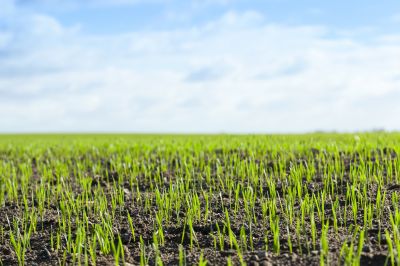
Spring offers optimal conditions with moderate temperatures and increased rainfall, promoting healthy seed germination.
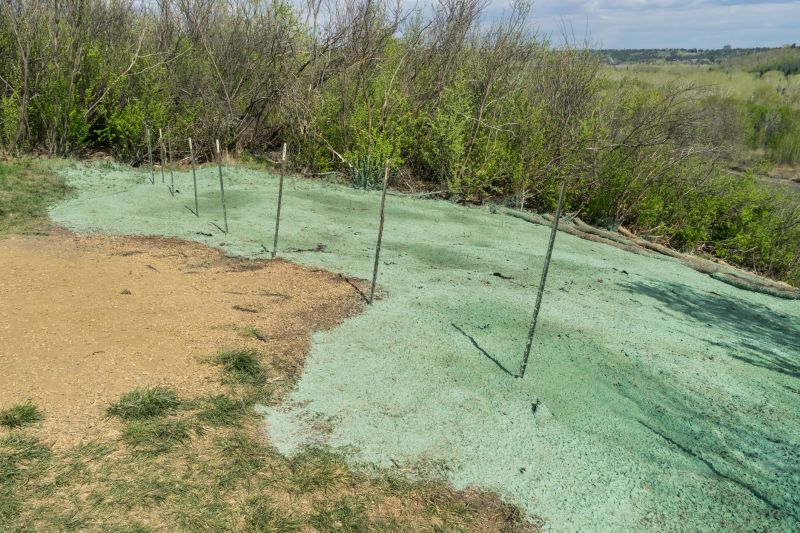
Summer can be challenging due to higher temperatures and potential drought conditions, requiring careful planning.
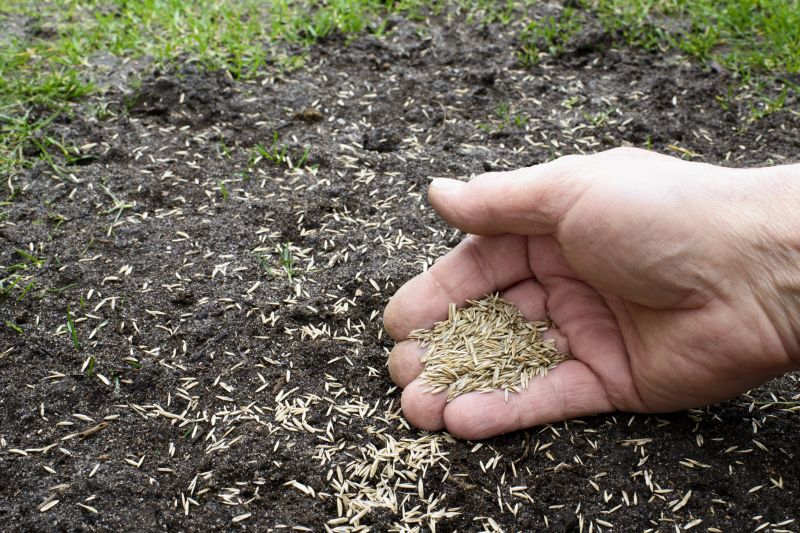
Fall provides cooler temperatures and consistent moisture, making it an ideal time for establishing new lawns.
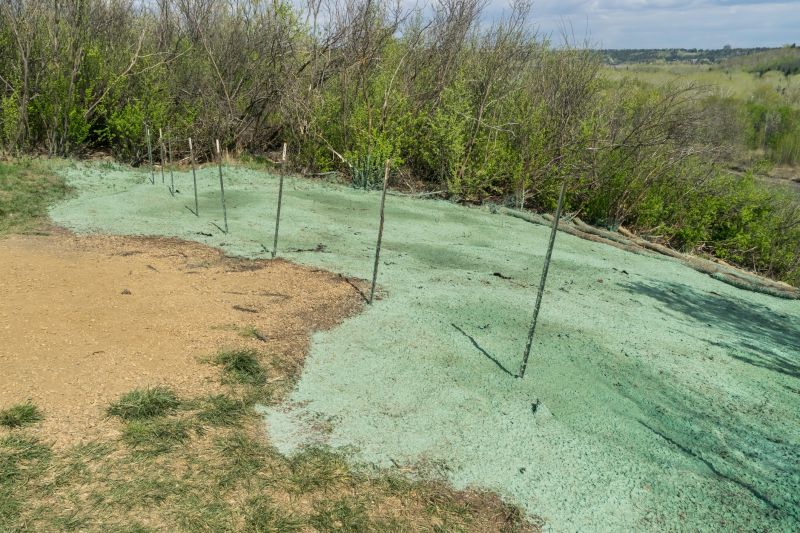
Ways to make Lawn Hydroseedings work in tight or awkward layouts.
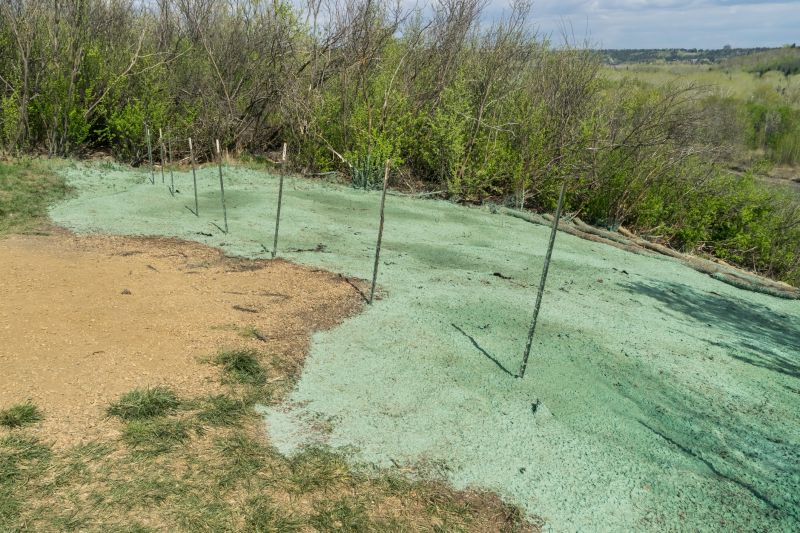
Popular materials for Lawn Hydroseedings and why they hold up over time.
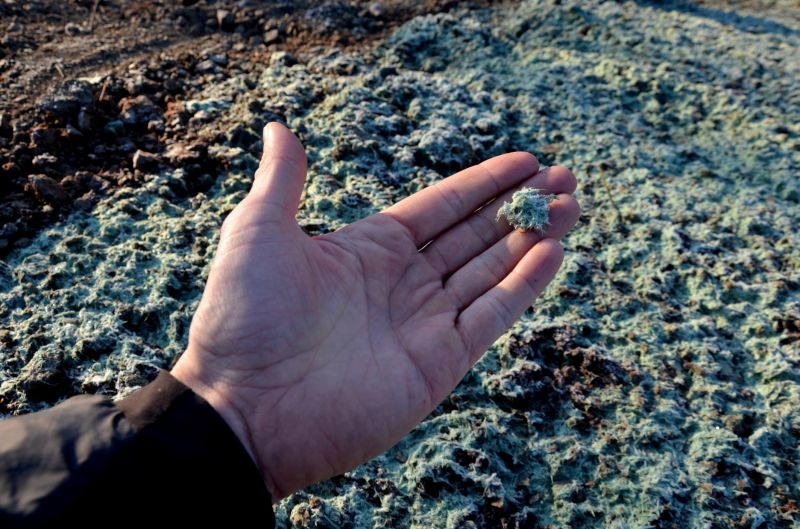
Simple add-ons that improve Lawn Hydroseedings without blowing the budget.
Lawn hydroseeding is a planting process that involves spraying a mixture of seed, mulch, fertilizer, and water onto prepared soil. This method offers a fast and efficient way to establish a lush, healthy lawn. Hydroseeding is often favored over traditional seeding because it ensures better seed-to-soil contact, leading to higher germination rates and quicker lawn development. It is suitable for various terrains, including slopes and large areas, and can be completed in a shorter timeframe with less labor.
Spring provides ideal moisture and moderate temperatures for seed germination and root development.
Fall allows for establishment before winter dormancy, leading to a strong start in spring.
Summer seeding requires extra watering and shade to prevent heat stress on seedlings.
Well-prepared soil with proper grading and moisture levels enhances hydroseeding success.
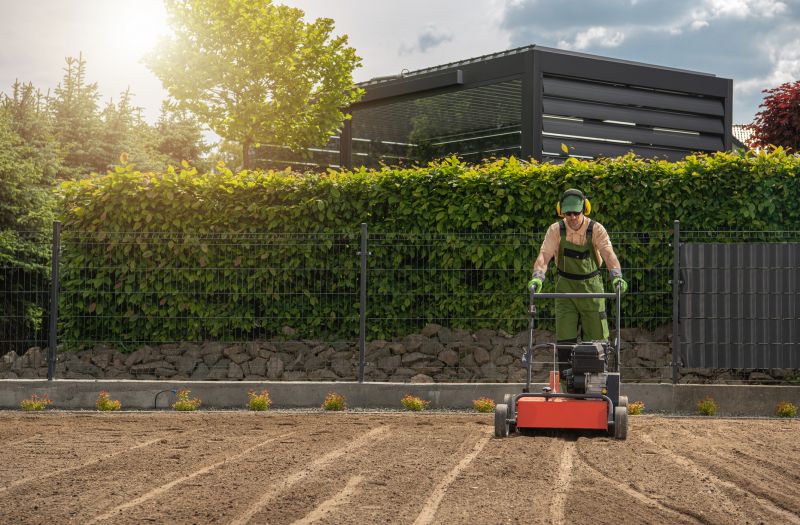
Specialized equipment ensures even application and optimal seed distribution.
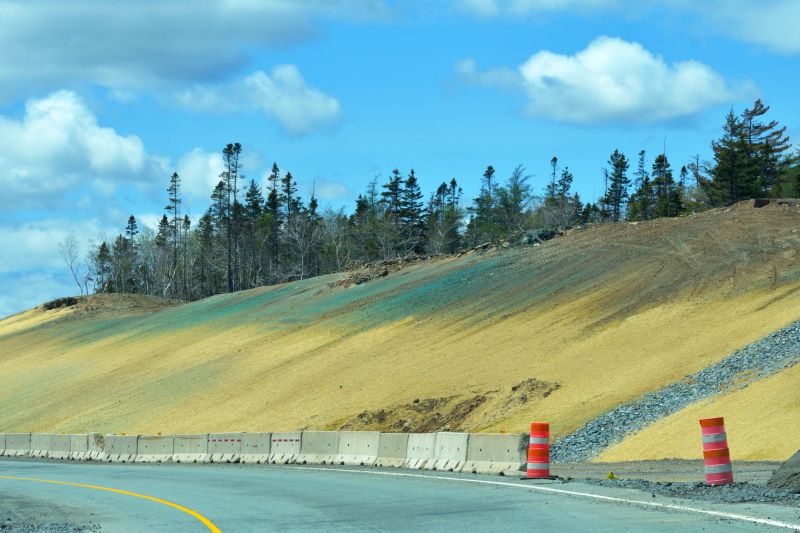
A professional process involving spraying seed mixture onto prepared soil.
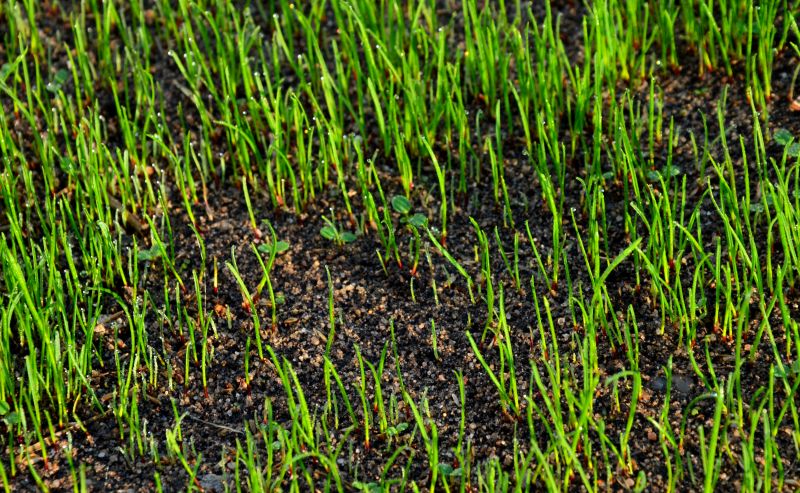
Proper timing results in dense, vibrant grass coverage.
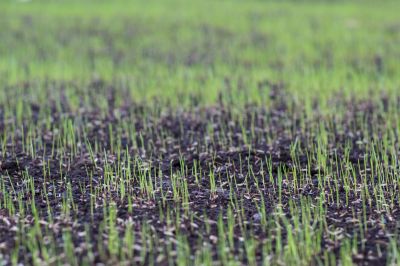
Timing influences the speed and quality of lawn establishment.
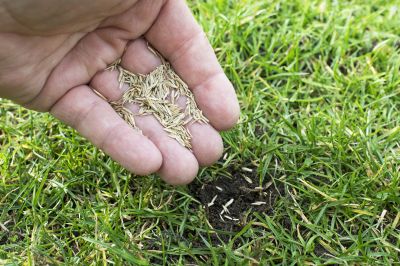
Ensuring proper soil conditions enhances hydroseeding results.
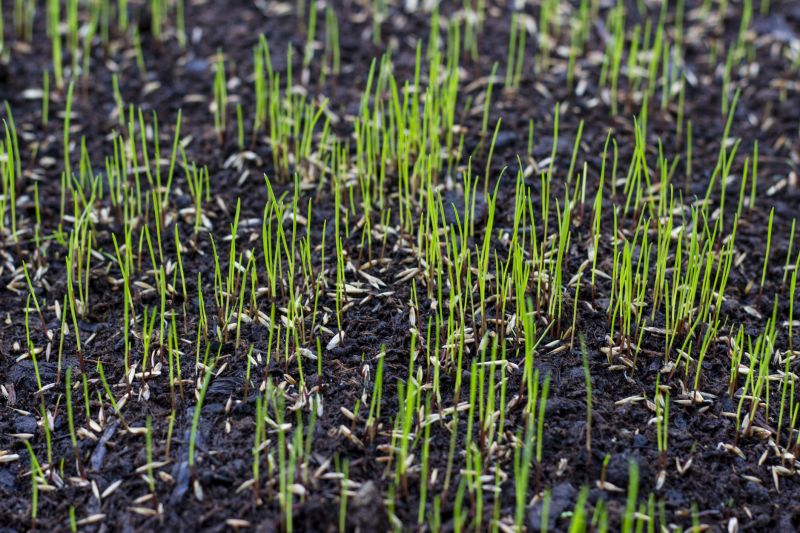
Consistent moisture is critical during germination and early growth.
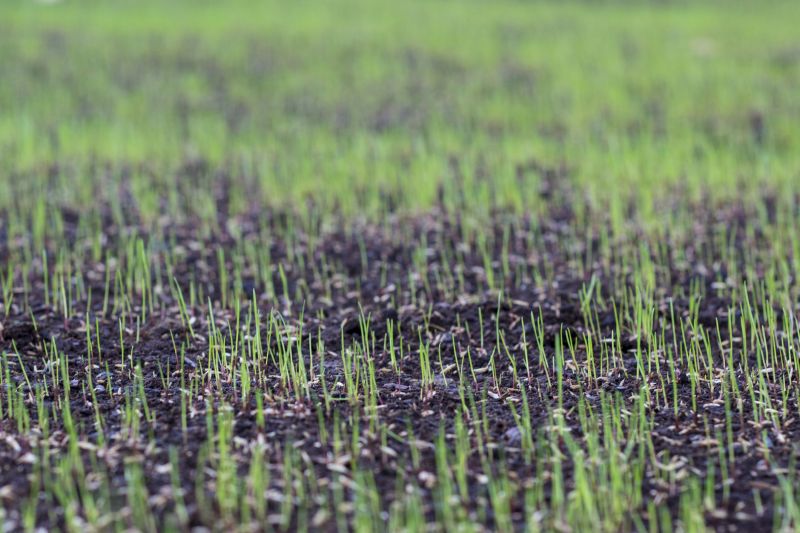
Understanding seasonal impacts helps plan for optimal results.
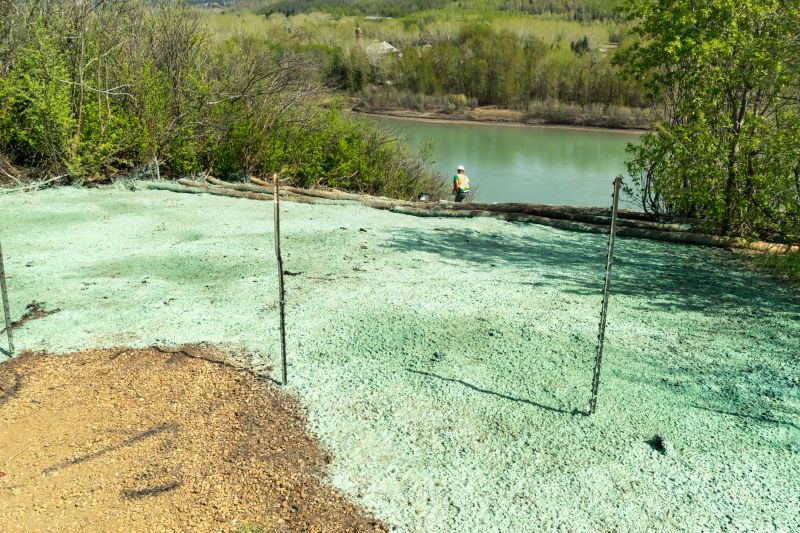
Follow-up care supports a healthy, resilient lawn.
| Season | Best Conditions |
|---|---|
| Spring | Moderate temperatures, increased rainfall, soil warming |
| Summer | Cooler mornings, shade, consistent watering |
| Fall | Cool temperatures, stable moisture, soil still warm |
| Winter | Generally unsuitable unless in mild climates |
| Early Spring | Prevents weed competition, promotes early growth |
| Late Fall | Establishes before dormancy, ready for spring |
| Dry Seasons | Require supplemental watering and shade |
| Humid Climates | More favorable for early germination |
Choosing the optimal time for hydroseeding depends on local climate, soil conditions, and seasonal weather patterns. Spring and fall are typically preferred due to favorable temperatures and moisture levels, which support seed germination and root development. Proper timing can significantly influence the success and longevity of a new lawn, reducing the need for additional maintenance and reseeding.
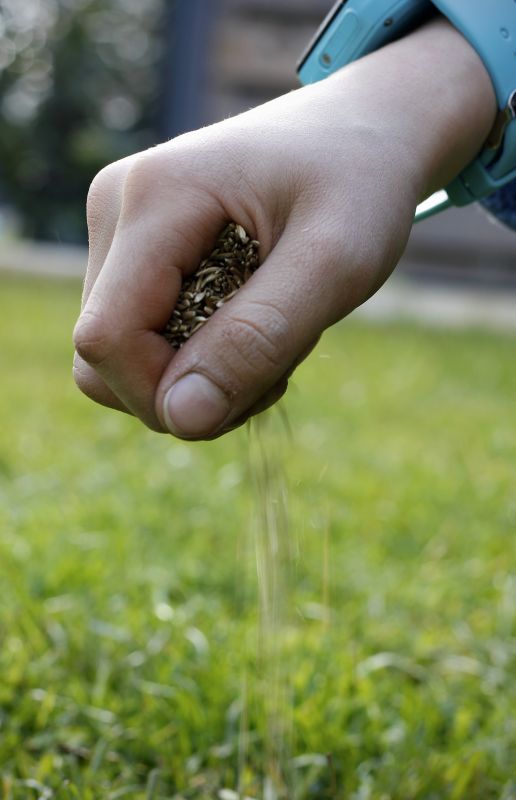
Spring offers ideal conditions for establishing a dense, healthy lawn.
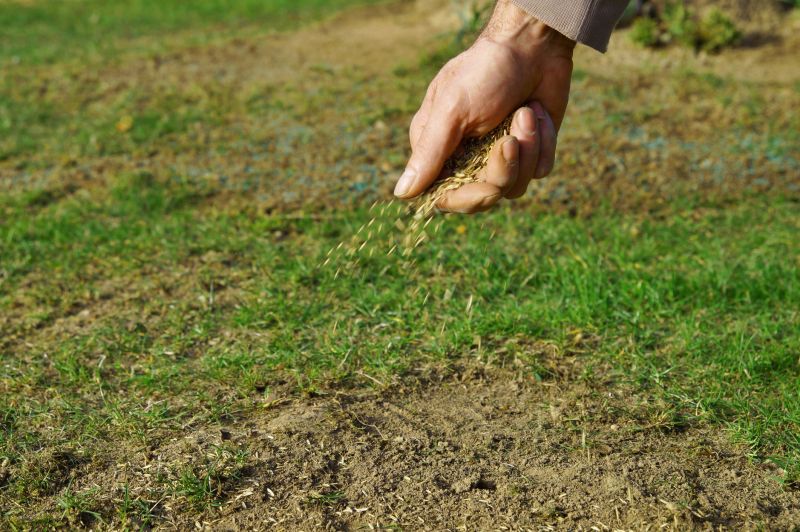
Fall seeding allows for early root development and a vigorous start in the following season.
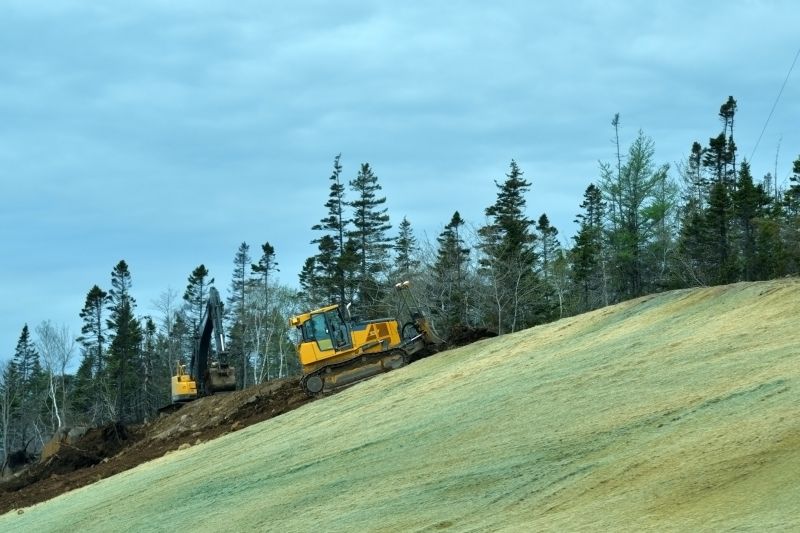
Proper application techniques are essential for successful lawn establishment.
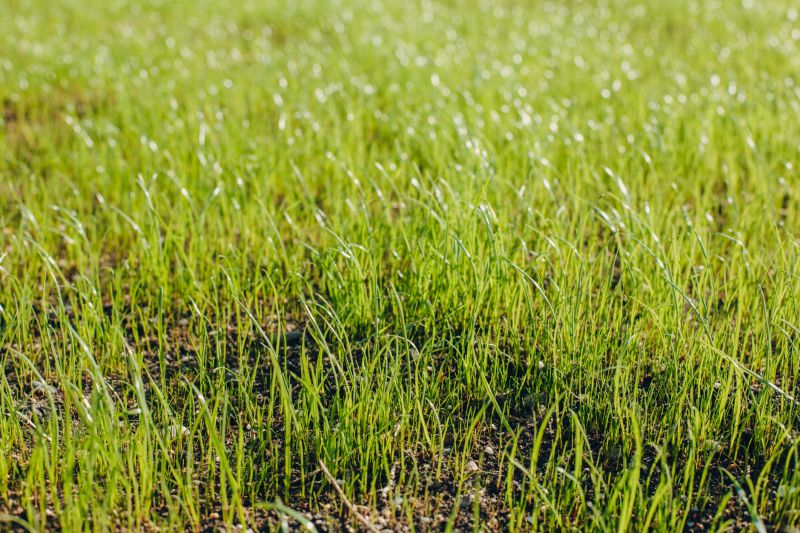
Timely seeding results in lush, green grass coverage.
Interested in establishing a new lawn through hydroseeding? Filling out the contact form can provide additional information and help plan the best timing for a successful project.